0

Click and drag
to explore

Scroll to zoom in
to the island

Mouse over viewport
to hover

Audio On

Disclaimers should be clear, concise, and general. So they should be easy to write. Just specify the limits of your professional responsibility or liability. You can also use a disclaimer generator tool or template to start.

The Pokémon franchise revolves around 1008 fictional species of collectible monsters, each having unique designs, skills, and powers. Conceived by Satoshi Tajiri in early 1989, Pokémon are fictional creatures that inhabit the fictional Pokémon World.
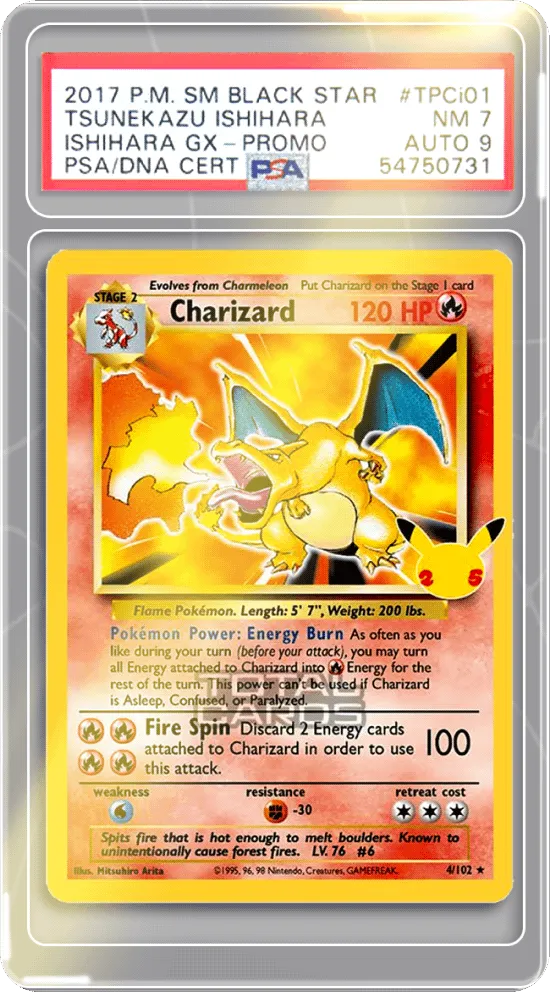
Pokémon cards are part of the Pokémon Trading Card Game (TCG), which began in 1996 in Japan and rapidly gained global popularity. Players use decks containing creatures called Pokémon, each with its unique abilities and statistics. The goal is to "knock out" the opponent's Pokémon by using attacks, strategies, and combinations. Cards are categorized as Pokémon, Trainer, or Energy cards. Pokémon cards display creatures, each belonging to a specific type (e.g., Water, Fire, Psychic) and having varying hit points (HP) and attacks. Trainer cards represent items, supporters, or stadiums, offering strategic advantages or effects during play. Energy cards fuel a Pokémon's attacks.Collectors value cards based on rarity, condition, and edition. Rare cards, especially first editions or those with holographic designs, can fetch significant prices. Pokémon cards are part of the Pokémon Trading Card Game (TCG), which began in 1996 in Japan and rapidly gained global popularity. Players use decks containing creatures called Pokémon, each with its unique abilities and statistics. The goal is to "knock out" the opponent's Pokémon by using attacks, strategies, and combinations. Cards are categorized as Pokémon, Trainer, or Energy cards. Pokémon cards display creatures, each belonging to a specific type (e.g., Water, Fire, Psychic) and having varying hit points (HP) and attacks. Trainer cards represent items, supporters, or stadiums, offering strategic advantages or effects during play. Energy cards fuel a Pokémon's attacks.Collectors value cards based on rarity, condition, and edition. Rare cards, especially first editions or those with holographic designs, can fetch significant prices.Pokémon cards are part of the Pokémon Trading Card Game (TCG), which began in 1996 in Japan and rapidly gained global popularity. Players use decks containing creatures called Pokémon, each with its unique abilities and statistics. The goal is to "knock out" the opponent's Pokémon by using attacks, strategies, and combinations. Cards are categorized as Pokémon, Trainer, or Energy cards. Pokémon cards display creatures, each belonging to a specific type (e.g., Water, Fire, Psychic) and having varying hit points (HP) and attacks. Trainer cards represent items, supporters, or stadiums, offering strategic advantages or effects during play. Energy cards fuel a Pokémon's attacks.Collectors value cards based on rarity, condition, and edition. Rare cards, especially first editions or those with holographic designs, can fetch significant prices.